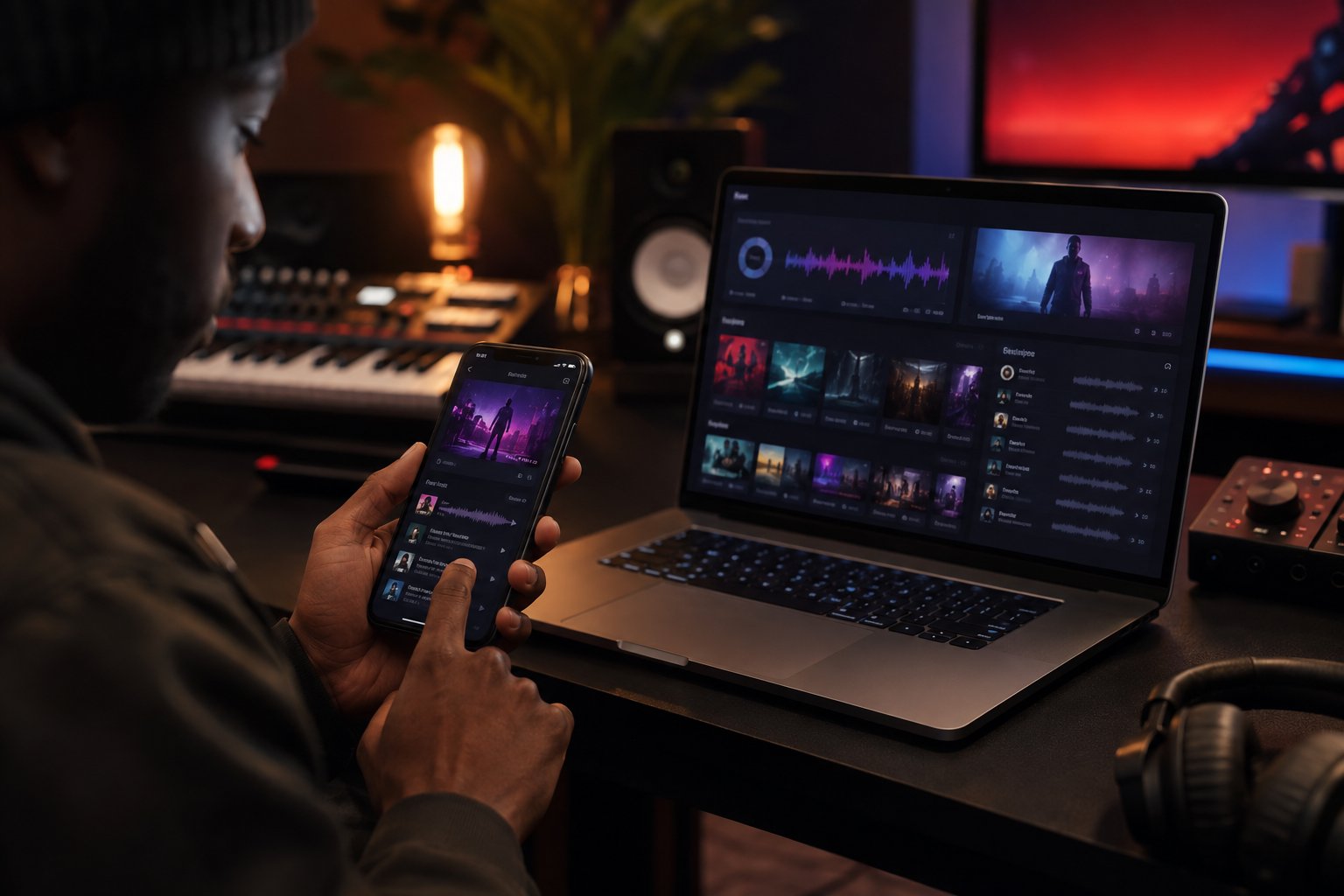
In 2026, the way artists find beats is faster, more visual, more platform-driven, and more selective than it used to be. A rapper, singer, or content creator usually does not “dig” for a beat for hours the way producers imagined a decade ago. They search, scroll, preview, compare, save, and decide quickly. That means discoverability matters as much as sound quality. If your beats are great but hard to find, they may never reach the right artist. If you understand how artists search and what makes them stop, listen, and click, you can build a system that helps you get beat placements more consistently.
This guide is for producers who want to sell beats online globally and for artists who want to understand the beat discovery process from the other side. It is also useful if you are working on visibility as a beatmaker in a crowded market. We will cover what artists look for in 2026, how they search, where they discover new instrumentals, how to optimize your uploads, and how Beatprod can fit into a modern release strategy. If you want to browse current inventory, you can always start at https://beatprod.com/feed/ and explore the marketplace at https://beatprod.com/.
How artists find beats in 2026
Most artists do not find beats in one place. They move through a discovery funnel. It often starts with a platform search, then a social media clip, then a beat page, then a comparison between several options. In some cases they are looking for a specific sound reference: “Detroit type beat,” “pluggnb type beat,” “Afrobeats emotional loop,” “UK drill dark piano,” or “trap guitar beat.” In other cases they search more by mood than genre: “sad late night beat,” “summer love instrumental,” or “aggressive club energy.”
What changed in 2026 is that artists expect speed and relevance. They want a preview that immediately answers three questions: Does this fit my voice? Does it feel current? Can I use it right now without friction? That means beat discoverability depends on searchable metadata, strong branding, recognizable arrangement, and a clear path to purchase or license.
Artists also discover beats through short-form content. A 10-second clip with a catchy hook section can outperform a full-length upload if it clearly communicates energy. Producers who post the same beat in multiple contexts often have an advantage: one version for marketplaces, another for social media, and another for blog or SEO traffic. The key is consistency. The beat name, mood, tags, and visual identity should all point to the same sound.
What makes an artist click on one beat instead of another
Artists make quick decisions, but those decisions are not random. In most cases they compare the beat against a mental checklist: vibe, tempo, mix clarity, emotional tone, originality, and whether it leaves room for vocals. If the drum pattern feels overcrowded, if the melody is too distracting, or if the low end is muddy, they may move on even if the beat is technically good.
In 2026, presentation matters more than ever. A beat title like “Dark Jersey Club x Trap Type Beat - Night Drive” tells more than “Untitled Beat 47”. The first creates context. The second creates work. The same is true for cover art, snippet length, and the first 15 seconds of the preview. Artists often decide before the first minute ends, sometimes before 20 seconds have passed. If your strongest section is buried too late, the beat may never get its chance.
Another factor is trust. Artists want to know the producer is active, professional, and easy to work with. Clear licensing information, consistent upload cadence, and a visible profile all help. Even if the artist finds you through social media, they may still prefer to close the deal on a structured marketplace like Beatprod, where the next steps are easier to understand.
Where artists are searching for beats now
Search behavior in 2026 is fragmented, but some channels remain especially important:
- Marketplace search: Artists filter by genre, mood, BPM, key, and type beat references.
- Search engines: They look up beat keywords, producer names, and mood-based phrases.
- Short-form video platforms: Snippets on social feeds create fast discovery and social proof.
- Direct links from content: Blog posts, newsletters, and artist communities still matter.
- Playlist-style browsing: Some users want to scroll and save, not search from scratch.
Because search is multi-channel, your job is not to choose one path. Your job is to make every path point to the same beat catalog. That is one reason it helps to have a clean marketplace presence and supporting educational content. Beatprod’s blog at https://beatprod.com/blog/ can support long-tail traffic, while the feed can capture active buyers who are ready to listen now.
How to improve discoverability as a beatmaker
Discoverability is the ability to be found by the right artist at the right time. It is not just about ranking high or posting more. It is about making your catalog legible to humans and systems. Here is what helps most in practical terms.
1. Use searchable, specific titles
A good title balances creativity and clarity. Include a genre anchor, a mood or energy cue, and if relevant, a reference style. For example, “Emotional Trap Type Beat - Cold Morning” is easier to discover than a poetic name with no context. Keep the title readable and avoid overstuffing keywords.
2. Tag the sound, not just the genre
Artists search by vibe. Use tags for emotions, instruments, vocal space, subgenre, and use case. Think like a buyer: what would they type if they wanted this exact feeling? Good tags can improve visibility across marketplace search and external search engines.
3. Upload clean previews
Your preview should start strong, stay focused, and avoid unnecessary dead space. Many artists want to hear the main idea immediately. A preview with a clear hook section, proper volume, and no distracting watermarks improves conversion.
4. Make the license path simple
Confusion kills sales. If the artist needs to hunt for stems, trackouts, lease terms, or contact details, you lose momentum. Clear purchase options improve both trust and get beat placements. Educational, simple language works best.
5. Stay consistent with branding
Consistency helps artists remember you. Use a stable naming style, visual identity, and upload rhythm. If someone likes one beat, they should be able to identify your next upload immediately.
SEO for beats in 2026: what still works
SEO is still important, but the goal is not keyword stuffing. It is alignment. If an artist searches “how artists find beats” or “type beat for melodic rap,” your content and beat pages should clearly satisfy that intent. The most effective beat SEO in 2026 tends to combine:
- descriptive page titles
- helpful metadata
- natural language descriptions
- clean internal linking
- fast browsing experience
That is why blog content matters. A guide that explains how beats are discovered can attract new traffic, answer buyer questions, and connect readers to your catalog. Internal links from educational pages to beat pages often work better than isolated uploads because they build context. For example, a reader who lands on a blog post can move directly to browse beats at Beatprod after understanding what to look for.
Also remember that search engines and AI systems increasingly summarize pages. If your copy is vague, the summary will be vague. If your copy is specific, useful, and structured, it is more likely to surface in relevant discovery journeys. That is part of modern discoverability.
How artists can evaluate beats faster
Artists benefit from having a repeatable way to compare instrumentals. If you are an artist, this checklist can save time and help you make better choices:
- Does the beat fit my voice range?
- Does the BPM support my delivery style?
- Can I hear a hook idea immediately?
- Is there enough space for vocals?
- Does the low end feel controlled?
- Does the mood match my release goal?
- Are the license terms clear?
Producers should design their uploads so artists can answer these questions quickly. If your beat helps them imagine a track within seconds, you are already ahead.
How to get beat placements without chasing every trend
In 2026, it is tempting to chase every viral sound. But lasting placements usually come from a focused catalog. If you make everything, you become hard to remember. If you make a few lanes very well, you become easier to search, easier to recommend, and easier to place.
Think in lanes such as melodic trap, rage, drill, alt hip-hop, R&B, jersey club, amapiano, pop rap, or experimental electronic. Then build sub-variations. This lets you serve multiple artist types without losing identity. When artists return to your catalog and recognize your sound, repeat placements become more realistic.
Practical rule: sell the same beat to more than one audience only if your licenses and usage terms allow it. Keep your business model clear and your catalog organized.
Simple 2026 checklist for producers
- Use titles that describe mood, genre, and style.
- Write descriptions that tell artists who the beat is for.
- Add tags that reflect real search behavior.
- Upload previews that start with the strongest section.
- Keep cover art consistent and readable.
- Link to a clear marketplace page.
- Support uploads with blog content and social clips.
- Track which beats get saves, clicks, and sales.
- Refresh old uploads if metadata is weak.
- Make it easy to buy, license, and contact you.
How Beatprod fits into the modern beat discovery flow
Beatprod works well as part of a broader discoverability strategy because it gives artists a place to browse, compare, and act. A marketplace only works if it matches how people search now: by vibe, by subgenre, by immediate impression, and by low-friction buying. If you are a producer, you can use the marketplace alongside your own content and SEO efforts. If you are an artist, you can use it to move from inspiration to selection faster.
If you want to keep learning about beat marketing, placement strategy, and production visibility, the Beatprod blog at https://beatprod.com/blog/ is a useful place to continue. And if you are ready to listen, the current feed at https://beatprod.com/feed/ is the fastest next step.
FAQ
How artists find beats in 2026?
They usually find beats through marketplace search, search engines, short-form social content, direct links, and curated browsing. Most decisions are made quickly based on vibe, clarity, and relevance.
What helps producers get beat placements?
Clear titles, strong previews, searchable tags, simple licensing, consistent branding, and a focused sound direction all improve the odds of getting beat placements.
Is SEO still important for beats?
Yes. SEO still helps when it is used to match intent rather than stuff keywords. Good metadata, internal links, and useful content can improve discoverability over time.
Should I use type beat titles?
Type beat titles can help artists understand the style quickly, as long as the title stays readable and honest about the sound.
Where should I send traffic?
A clean marketplace page is often the best destination because it lets artists listen, compare, and purchase with less friction. For Beatprod, that includes the feed and supporting content on the blog.
In 2026, visibility is not an accident. It is the result of understanding how artists search, how platforms surface content, and how quickly attention turns into action. If you want more discoverability, think less about shouting louder and more about making the right beat easier to find, easier to understand, and easier to buy. That is how modern beat makers win globally.